
Lower heating and cooling bills
By slowing heat transfer, bulk insulation reduces the workload on heaters and air conditioners. Homeowners in Burwood East typically see lower energy use within the first billing cycle after installation.
Burwood East
Bulk insulation traps still air in your ceiling, walls and floors to slow heat flow. In Burwood East’s brick veneer and weatherboard homes, this cuts winter heat loss through the roof space and reduces summer heat gain through walls, lowering heating and cooling costs year round.
Share your details and Expert Insulation Melbourne will contact you about Bulk Insulation in Burwood East.
Bulk insulation uses materials like glasswool, polyester or rockwool batts to resist the flow of heat by trapping still air. In Burwood East, it is fitted between ceiling joists, inside wall cavities and under suspended floors to slow the transfer of heat, keeping your home warmer in winter and cooler in summer.
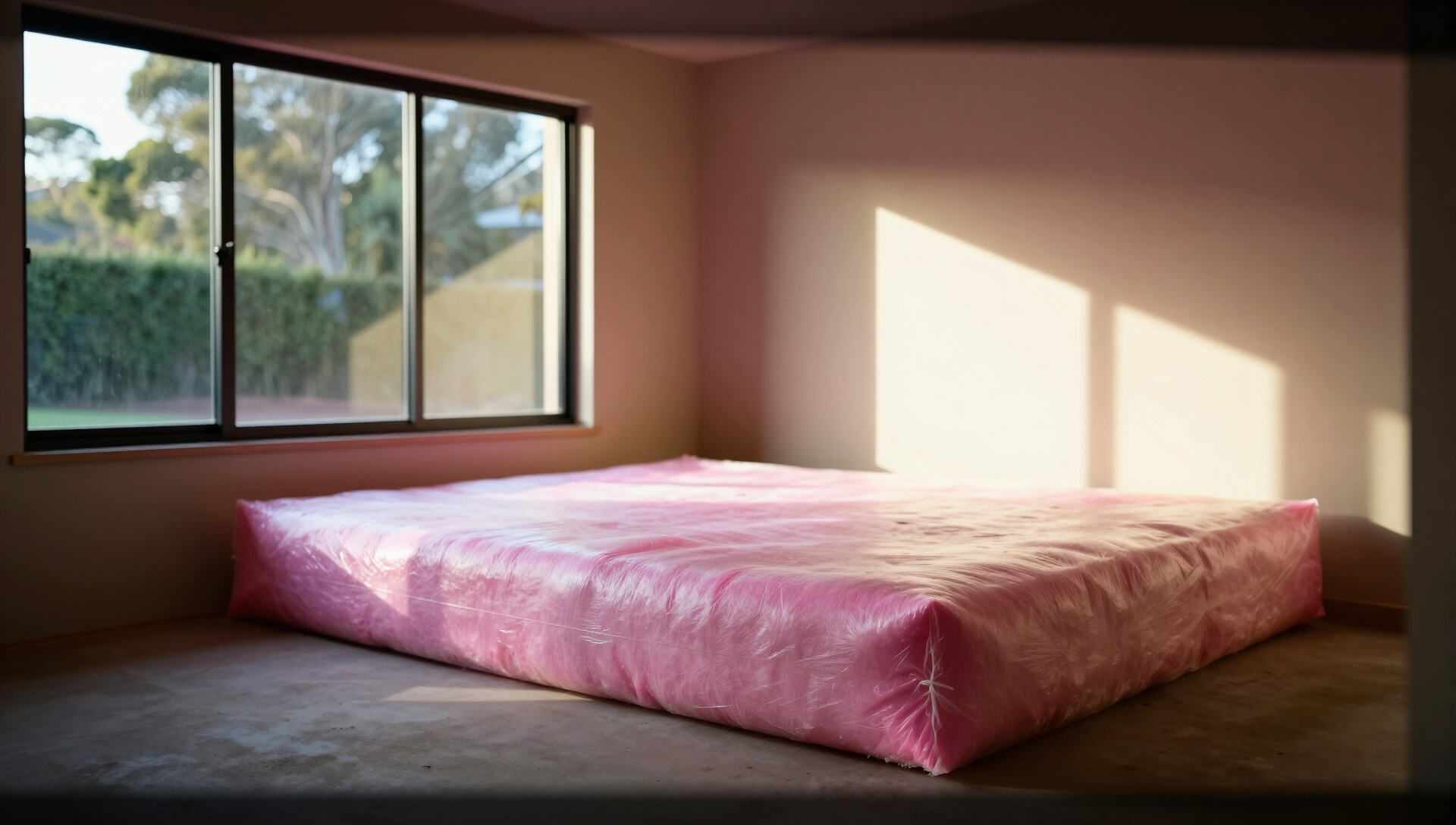
Burwood East experiences cold winters and hot summers, and many homes here are brick veneer or weatherboard with uninsulated roof spaces and wall cavities. Bulk insulation addresses the main paths of heat loss and gain, delivering measurable comfort and cost benefits.
By slowing heat transfer, bulk insulation reduces the workload on heaters and air conditioners. Homeowners in Burwood East typically see lower energy use within the first billing cycle after installation.
Batts in the ceiling and walls buffer the home against Melbourne’s temperature swings. Rooms stay warmer overnight in winter and cooler during the day in summer.
When installed with attention to gaps and edges, bulk insulation minimises draughts through ceiling cornices, wall plates and floorboards, improving overall thermal performance.
Dense batts absorb airborne noise, so you hear less traffic from Nepean Highway and less sound transfer between living areas and bedrooms.
Glasswool, polyester and rockwool batts do not settle or degrade over time if kept dry. They retain their R-value for the life of the home.
Rockwool and glasswool are non-combustible, providing added safety in roof spaces and wall cavities where electrical cables may be present.
Installation follows a clear sequence to ensure full coverage and correct R-value. Access, safety and existing conditions in the roof space or subfloor are checked before work begins.
We check the roof pitch, access points, existing insulation, downlight types and any signs of moisture or pest damage. For underfloor work, we confirm crawl space height and bearer spacing.
If old batts are compressed, wet or damaged, they are removed and disposed of. If asbestos is suspected, work stops until a qualified assessor inspects the material.
Batts are cut to fit snugly between ceiling joists, wall studs or floor joists without gaps. Clearances are maintained around downlights, flues and electrical cables as required by Australian standards.
Gaps at edges, corners and around services are sealed to prevent thermal bridging. A final inspection ensures full coverage and no compression of batts.
Burwood East has a mix of postwar brick veneer homes and newer builds, many with uninsulated roof spaces and wall cavities. Bulk insulation is a straightforward upgrade that addresses the main sources of heat loss and gain in these houses. Nearby suburbs like Burwood and Vermont South share similar housing stock and climate exposure, making insulation a practical investment across the area.
Reduce heat loss and gain in Burwood East homes with glasswool, polyester or rockwool batts in ceilings, walls and floors.
Homeowners in Burwood East often ask about R-values, access, cost factors and whether their home is suitable. Here are the key details.
Bulk insulation in Burwood East slows heat flow through ceilings, walls and floors using glasswool, polyester or rockwool batts. These materials trap still air to resist conductive and convective heat transfer, which is the primary cause of winter heat loss and summer heat gain in Melbourne homes. In Burwood East’s brick veneer and weatherboard houses, uninsulated roof spaces and wall cavities allow rapid heat exchange with the outside air, leading to higher heating and cooling costs.
Ceiling insulation is the most effective single measure, as up to 35% of heat loss in winter occurs through the roof. Typical R-values for ceilings in Burwood East range from R4.0 to R6.0, depending on climate zone and budget. Walls commonly use R2.0 to R2.7 batts, while underfloor insulation in suspended timber floors is usually R1.5 to R2.5. The chosen R-value, along with roof pitch, access and floor area, affects the overall cost and performance.
Signs your Burwood East home needs bulk insulation include cold floors in winter, rooms that are hard to heat or cool, draughts through cornices or skirting boards, and high energy bills. An inspection of the roof space will reveal thin, compressed or missing batts, while a thermal camera can identify cold spots in walls. For homes with existing insulation, topping up with additional layers can restore thermal resistance if the original batts have settled or degraded.
Call Expert Insulation Melbourne on 0399695249 or email info@expertinsulationmelbourne. com. au to discuss bulk insulation for your Burwood East home. We provide a clear quote and schedule installation at a time that suits you.